

Are you looking to boost the longevity and visual appeal of your floors? If that's the case, epoxy flooring might just be the best choice for you. Famous for its resilience and versatility, epoxy flooring has grown to be a popular choice in home and industrial areas alike. Starting from transforming your carport into a sleek, practical area to updating your lower level with a sleek finish, epoxy floors offer a multitude of benefits that make them an ideal choice for those looking for a enduring finish.
This resource will walk you through all you need to learn about epoxy flooring, featuring its applications, how to install it, and maintenance tips. If you are considering epoxy for your garage for added durability or looking into epoxy for your basement for its water resistance, we will give you comprehensive insight to help you make an educated decision. Brace yourself to learn why so many homeowners and companies are choosing this epoxy solution as their choice for flooring of choice.
What is Epoxy Flooring?
Epoxy flooring are a form of surface that is created by applying a combination of resin and hardener to the concrete base. This combination results in a durable and resilient surface ideal for a variety of applications. The chemical reaction between the resin and hardener creates an strong bond and cures into a layer capable of withstand heavy use and resist staining. As Concrete coating contractor, , epoxy floors are particularly popular in industrial, commercial, and residential settings.
One of the notable attributes of epoxy flooring is its versatility. It can be customized in terms of color, design, and finish, allowing homeowners and businesses to create a unique look for the spaces. From Waterproof floor coating, enhancing the aesthetic appeal of a garage to textured surfaces for safety in commercial kitchens, epoxy flooring can fulfill numerous design requirements while providing exceptional functionality.
Additionally, epoxy floors are known for their low maintenance needs. Unlike traditional flooring options, which can require regular waxing and polishing, epoxy surfaces are easy to clean and maintain. They tend to be resistant to chemicals, water, and UV rays, making them an ideal choice for areas prone to spills and exposure. This renders epoxy flooring an excellent option for garages, basements, and different locations where durability is the priority.
Benefits of Epoxy Floors
One of the pros of epoxy flooring is its exceptional durability. Epoxy floors are resistant to damage, making them ideal for high-traffic areas. Whether in a basement, or business environment, epoxy can withstand impacts, weight, and extreme conditions without losing its integrity. This characteristic reduces the need for regular repairs or replacements, offering long-term cost savings for homeowners and businesses similarly.
One more significant benefit is the convenience of maintenance that epoxy flooring provides. Unlike traditional flooring choices, epoxy surfaces are non-porous and do not take in spills, stains, or dirt. This attribute makes cleaning a breeze; a quick sweep or mop can keep the surface looking immaculate. Additionally, epoxy floors stand up to chemicals, oils, and other materials, further enhancing their appeal for environments such as garages and workshops.
Aesthetically, epoxy flooring can change spaces with its variety of colors and finishes. Homeowners can select from a shiny or matte finish, as well as different designs and patterns, to fit their taste and improve the overall appearance of a room. This adaptability allows for tailoring that can enhance the ambiance of areas like basements and showrooms, making epoxy floors an attractive choice for useful yet stylish surfaces.
Types of Epoxy Flooring
Several varieties of epoxy flooring, every one designed to satisfy specific needs and applications. One of the leading options is polymeric epoxy flooring, which builds a seamless surface that is both durable and easy to clean. Such type is commonly used in business settings, such as warehouses and retail spaces, due to its capability to handle heavy foot traffic and resist stains. The glossy finish also enhances the aesthetic appeal, making it an attractive choice for many environments.
A different common type is self-leveling epoxy, which is suitable for uneven or damaged surfaces. Such application requires pouring a thick layer of epoxy that self-levels, repairing cracks and imperfections to create a smooth, even surface. Self-leveling epoxy is especially beneficial in garages and basements, as it can provide a strong, flat base that is durable against wear and tear. It also offers a range of color and design options, allowing homeowners to customize their flooring to match their style.
For areas that demand additional safety features, anti-slip epoxy coatings are an superior choice. Such coatings include added textures or aggregates that enhance traction, making them perfect for areas where moisture and spills are common, such as kitchens, bathrooms, and outdoor patios. Anti-slip epoxy is not only functional but can also be aesthetically pleasing, as it is available in different finishes and colors to suit any decor, ensuring both safety and style in your flooring.
Setup Process
Applying epoxy coating involves multiple key steps to ensure a flat and long-lasting finish. First, the surface preparation is vital. This includes cleansing the surface thoroughly to remove any dirt, grease, or contaminants that could hinder the bond. Any previous finishes or paint should be stripped away, and the cement surface should be ground to achieve a abrasive texture which facilitates the epoxy adhere effectively. Moisture assessment is also recommended to verify the substrate is dry enough for installation, as too much water can result in adhesion difficulties.
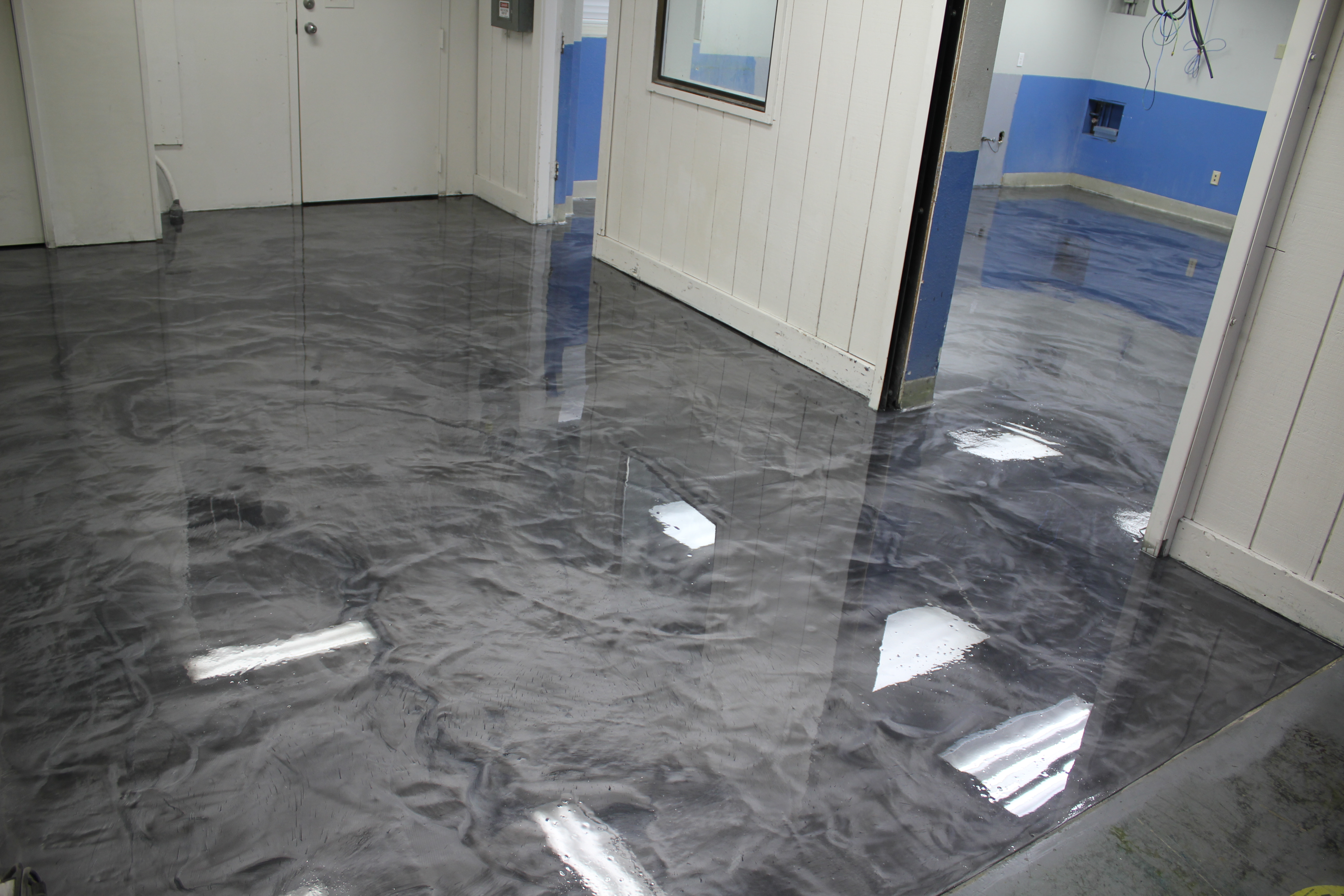
Once the floor is prepared, the next stage is to combine the epoxy and activator according to the manufacturer's instructions. It is important to proceed in manageable portions to avoid the mixture from curing before application. The prepared epoxy can then be applied with a paint roller or squeegee, beginning at one corner of the area and progressing toward the door to prevent walking on the newly finished floor. It is vital to apply an uniform layer and pay special focus to corners and edges for thorough coverage.
After the initial coat has been applied, more coats may be suggested based on the preferred thickness and look. Each coat should be allowed to dry per the manufacturer's indicated time, with proper ventilation to help curing. Once dry, a final topcoat may be applied to enhance durability and create a shiny finish. Following these steps ensures a enduring and aesthetically pleasing epoxy surface, whether for a garage floor epoxy installation or basement epoxy coating.
Maintenance Advice
To maintain your epoxy flooring appearing its finest, consistent cleaning is necessary. Clear or hoover the area frequently to remove dirt and debris that can damage the floor. For a deeper clean, use a damp mop with a soft detergent. Avoid harsh chemicals that could harm the surface of your epoxy floors. Maintaining Self-leveling epoxy floor, but also prolongs the lifespan of the coating.
Check your garage floor epoxy regularly for signs of wear or damage. If you notice any chips or cracks, address them promptly to prevent further deterioration. Small repairs can often be made using a restoration kit specifically designed for epoxy surfaces. By being proactive with inspections and repairs, you can sustain the impressive look and durability of your epoxy flooring.
Finally, consider putting on a topcoat every few years to revitalize the surface. A fresh layer of topcoat can enhance the shine and add an extra layer of protection against stains and scratches. This easy maintenance task can significantly extend the life of your basement epoxy flooring, ensuring it stays a durable and attractive option for an extended period to come.