

Are you looking to provide your space a remarkable transformation that merges strength and style? This type of flooring could be the remedy you are searching for. This cutting-edge flooring alternative is gaining recognition among homeowners and companies alike for its notable durability and aesthetic appeal. From residential homes to business environments, epoxy flooring can upgrade any environment, making them an perfect choice for a variety of applications.
Whether you are thinking about a garage epoxy installation to endure heavy vehicles and spills or exploring basement epoxy flooring to achieve a clean and finished look, the versatility of epoxy can meet your needs. In this definitive guide, we will discuss the benefits, usage techniques, and design options available with epoxy flooring, helping you make an educated decision for your next home renovation project. Change your space with the elegance and functionality of epoxy flooring and uncover how it can revolutionize your space.
Definition of Epoxy Flooring?
This flooring system is a durable and flexible flooring solution that consists of a mixture of resin and hardeners. When these elements are combined, they form a powerful bond that can be used over multiple surfaces. This type of flooring is renowned for its strength and ability to wear, making it an ideal choice for high-traffic areas.
One of the main features of epoxy floors is their smooth finish, which provides not only visual attractiveness but also health advantages. The smooth surface inhibits the development of bacteria and mold, making it a favored option for home and commercial spaces alike. Additionally, epoxy flooring is available in a variety of colors and designs, allowing homeowners and entrepreneurs to customize their spaces in line with their style.
Garage floor epoxy is among the most popular applications of epoxy flooring. This option is favored due to its ability to withstand substantial weight, combat stains, and tolerate exposure to chemicals typically found in garages. Furthermore, basement epoxy flooring offers similar advantages, providing a moisture-resistant solution that can enhance the strength and look of wet spaces commonly prone to water damage.
Perks of Epoxy Floors
One of the key benefits of epoxy flooring is its durability. Epoxy creates a strong surface that can withstand intense foot traffic and the wear and tear of everyday activities. This makes it an perfect choice for areas like carports and cellars, where conditions can be challenging. The chemical composition of epoxy also makes it impervious to stains, spills, and chemicals, guaranteeing that the floors maintain their looks over time.
Another notable advantage is the simplicity of maintenance associated with epoxy floors. Unlike traditional flooring options that may require heavy upkeep, epoxy surfaces can be cleaned easily with just soap and water. Their even finish helps hinder dirt and debris from building up, allowing property owners to keep their areas looking pristine without putting in substantial time and effort into cleaning routines. This is particularly helpful for those using garage floor epoxy, where messes are often common.
Additionally, epoxy flooring offers incredible versatility in design. With a wide range of colors and finishes available, homeowners can design their spaces according to their preferences. Whether you are looking for a modern look or a more ornate finish for your basement epoxy flooring, the possibilities are virtually infinite. Garage floor coating, to tailor the flooring to suit particular design preferences enhances both the usability and aesthetic appeal of any space.
Deciding on the Proper Resin for Your Space
When choosing the best epoxy for your floor project, it is essential to take into account the unique needs of your space. Different areas, such as garages or basements, have unique necessities due to factors like moisture levels and foot traffic. Garage floor epoxy is generally designed to withstand heavy loads and defend against stains from vehicle fluids. In contrast, basement epoxy flooring often needs to be more resistant to liquid and humidity, ensuring optimal longevity over time.
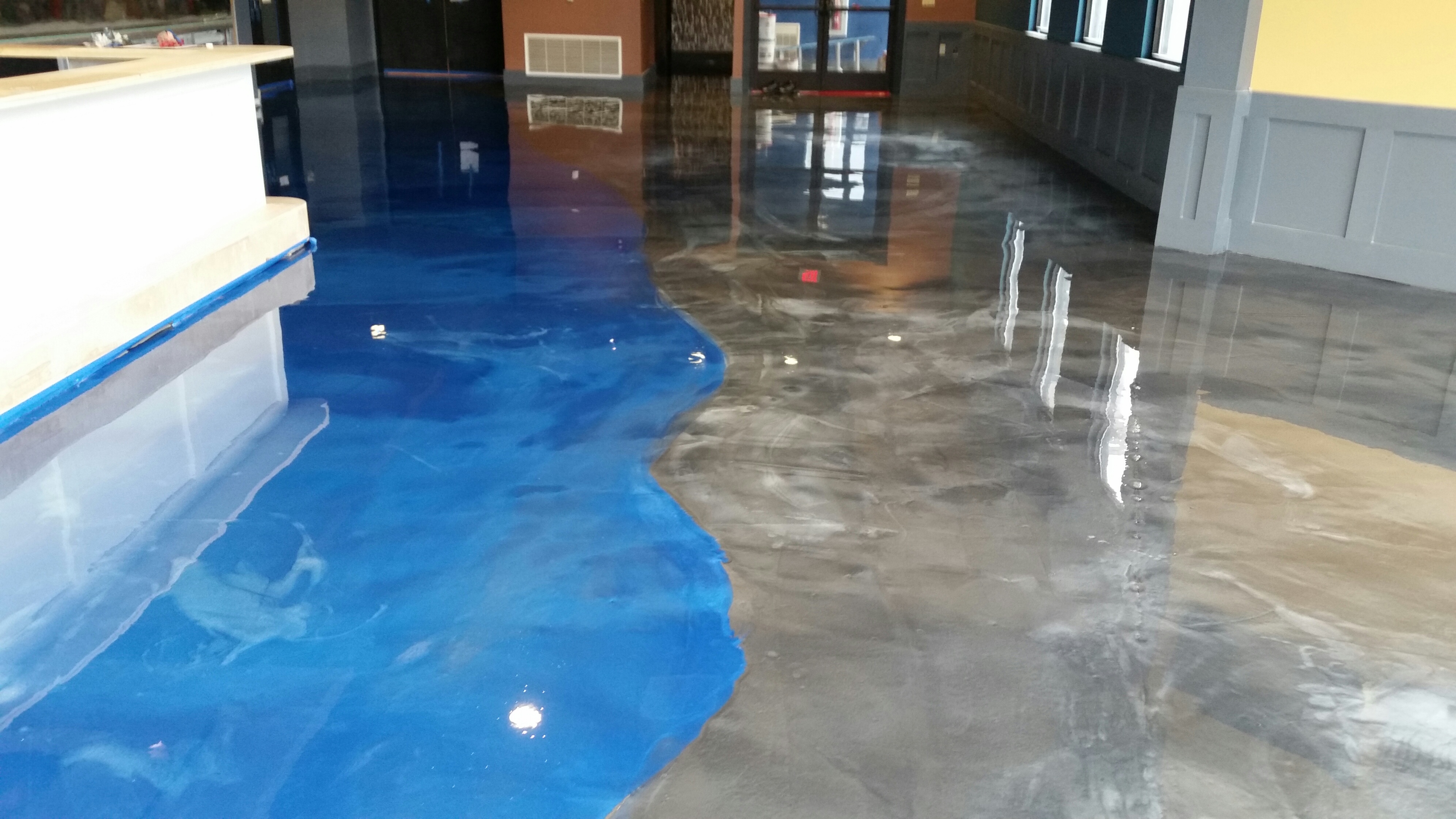
Another important consideration to think about is the look you desire. Epoxy floors come in multiple finishes, including glossy, flat, and even metallic options. A shiny finish can boost the aesthetic appeal of your space and make cleaning simpler, while a flat finish may be preferable for a slightly subtle look. If you want a distinctive style, metallic epoxy can add a striking visual effect that helps your floors stand out, making it an interesting choice for creative applications.
Lastly, consider the application process and the expertise required. Some epoxy products are designed for DIY enthusiasts, offering easy-to-use application kits that make easy the installation process. However, if you are looking for a more complex design or a high-performance solution, you may want to consult with professionals who specialize in epoxy flooring. Their knowledge can ensure that you choose the best product and achieve a perfect finish that meets your expectations.
Process Steps of Resin Flooring
The installation process for epoxy flooring starts with detailed preparation of the surface. Whether it's a concrete garage floor or a basement, the surface needs to be clear, desiccated, and without any contaminants. This involves cleaning, buffing, and possibly applying a degreaser to remove oils and stains. Polyaspartic floor coating, or imperfections should be filled with an appropriate filler to guarantee a flawless finish. Proper preparation is essential as it significantly affects the bonding and longevity of the epoxy layer.
Once the surface is prepped, the following step is to combine the epoxy resin and hardener following the manufacturer's directions. Timing is crucial here, as the mixture has a limited working time before it starts to harden. It is recommended to work in parts to guarantee uniform application. Utilizing a roller or a squeegee, spread the epoxy mixture uniformly across the floor. For a more substantial coverage, a second coat can be applied after the first has hardened sufficiently.
Ultimately, permitting the epoxy to cure sufficiently is essential for achieving a long-lasting finish. This can take anywhere from 24 to 72 hours, based on the specific product utilized and environmental conditions. It is vital to avoid placing large items or walking on the floor until it is fully cured. Once the curing process is complete, your new epoxy flooring will not only enhance your space but also provide a enduring and attractive surface.
Care and Maintenance for Epoxy Floors
To keep your epoxy flooring looking immaculate, consistent upkeep is essential. Start by brooming or vacuuming the surface to remove grime and debris that can damage the surface. Using a soft cleaning tool with a gentle detergent mixed with lukewarm water will help in maintaining the surface without causing any damage. Avoid using harsh chemicals or rough materials that can wear down the epoxy coating.
For spills, it's crucial to act quickly. Dab the spot with clean, soft cloths to prevent discoloration or slipping. Most spills can be cleaned using a basic combination of H2O and detergent. However, for more stubborn stains, using a specialized cleaning solution is recommended. Make sure to wash the area well to avoid any leftovers that may attract grime in the future.
Additionally, it's beneficial to apply a topcoat every few years to maintain the glossy finish and protect against damage. This additional layer can enhance the durability of your garage floor epoxy or basement epoxy. Regularly inspecting your surfaces for any signs of wear can assist in handling issues before they become more problematic, ensuring your epoxy floors remain aesthetically pleasing and practical for years to follow.